Samsung Profit Surges Over Eightfold as AI Boom Drives Memory Chip Demand
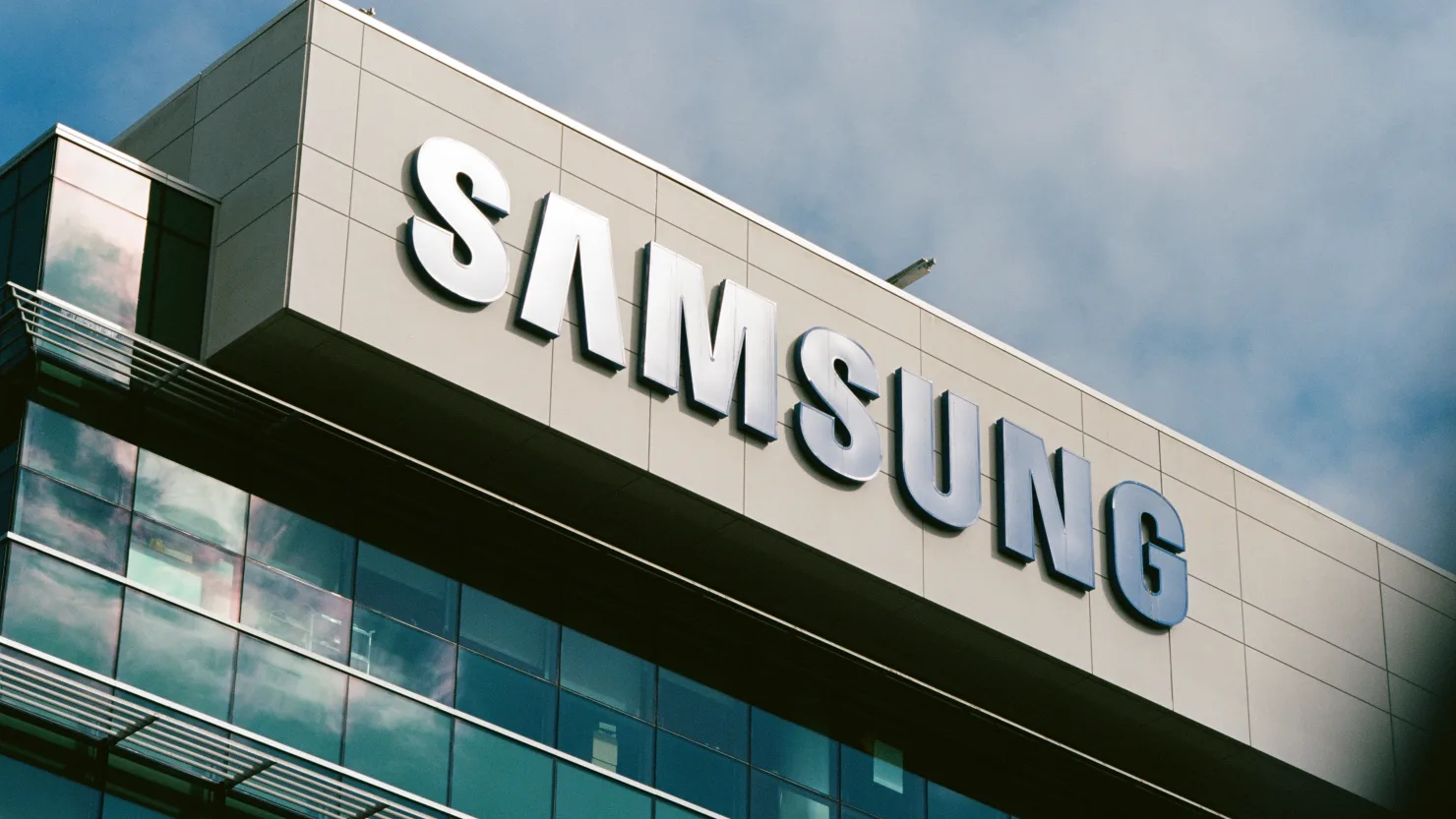
Samsung Electronics reported a dramatic surge in first-quarter earnings, with operating profit rising more than eightfold year over year, fueled by soaring demand for memory chips amid the global artificial intelligence boom.
Record-Breaking Financial Performance
The company posted revenue of 133.9 trillion Korean won ($89.96 billion), surpassing analyst expectations of 132.69 trillion won. Operating profit came in at 57.2 trillion won, beating forecasts of 55.28 trillion won and marking a more than 750% increase compared with the same period last year.
Samsung’s quarterly profit not only exceeded expectations but also outpaced its full-year 2025 operating profit of 43.6 trillion won, underscoring the strength of its semiconductor business. Revenue rose roughly 70% year over year, setting a new record.
AI Boom Powers Chip Business
The standout performance was driven by Samsung’s Device Solutions (DS) division, which includes memory chips, semiconductor design, and foundry services. The division generated 53.7 trillion won in operating profit, accounting for over 90% of the company’s total earnings for the quarter, compared with about 1 trillion won a year earlier.
Overall chip sales climbed 225% year over year to 81.7 trillion won, reflecting strong demand from AI data centers and consumer electronics.
The rapid expansion of AI infrastructure—led by companies such as Nvidia—has tightened supply and pushed up prices for high-performance memory chips used in servers, smartphones, PCs, and gaming systems.
Samsung said demand for server memory is expected to remain strong through the second half of the year as hyperscalers expand capacity to support AI workloads, including emerging “agentic AI” applications.
High-Bandwidth Memory (HBM) Race Intensifies
Samsung continues to invest heavily in high-bandwidth memory (HBM), a critical component in AI chips. The company recently announced it had become the first to mass-produce HBM4, the latest generation of memory technology expected to power next-generation AI systems.
However, Samsung faces stiff competition from rival SK Hynix, which currently leads the HBM market. According to Counterpoint Research, SK Hynix held a 57% market share in HBM revenue in the final quarter of last year.
While Samsung has narrowed the technology gap in recent generations, analysts say SK Hynix remains ahead in commercialization and market leadership.
Supply Constraints and Future Demand
Samsung executives noted that demand for memory chips continues to far exceed supply, with customers increasingly placing orders well in advance.
“Our demand fulfillment rate is now at a record low,” an executive said during the earnings call, adding that some customers are already securing supply for 2027, anticipating continued shortages.
The supply-demand imbalance is expected to persist, potentially driving further price increases across the memory market.
Potential Challenges Ahead
Despite strong semiconductor performance, rising memory prices could create headwinds for Samsung’s other businesses, including smartphones and home appliances, where higher component costs may impact margins.
Additionally, the company flagged geopolitical risks, particularly tensions in the Middle East, as a potential threat to raw material availability and energy supply chains.
Market Reaction
Samsung shares initially rose about 1% following the earnings release but later slipped 0.8% in afternoon trading. The stock has gained roughly 90% year-to-date, reflecting strong investor confidence in the company’s AI-driven growth trajectory.