Apple Faces Major Strategic Questions as It Enters Its Second Half-Century
Apple is entering its second half-century as one of the most influential technology companies in history, but the company now faces a new set of strategic challenges that could define its future in the age of artificial intelligence, geopolitical tension, and changing consumer technology trends.
Apple, which became the world’s most valuable company in 2011 after surpassing Exxon Mobil, has spent much of the past decade competing at the top of the technology sector with companies such as Alphabet and Microsoft. However, the rise of artificial intelligence has reshaped the technology landscape, and Nvidia has recently overtaken Apple in market value due to its central role in AI infrastructure.
Apple’s stock has declined about 7% so far in 2026, underperforming the broader S&P 500, as investors question how the company will compete in the AI era while maintaining growth in its core hardware business.
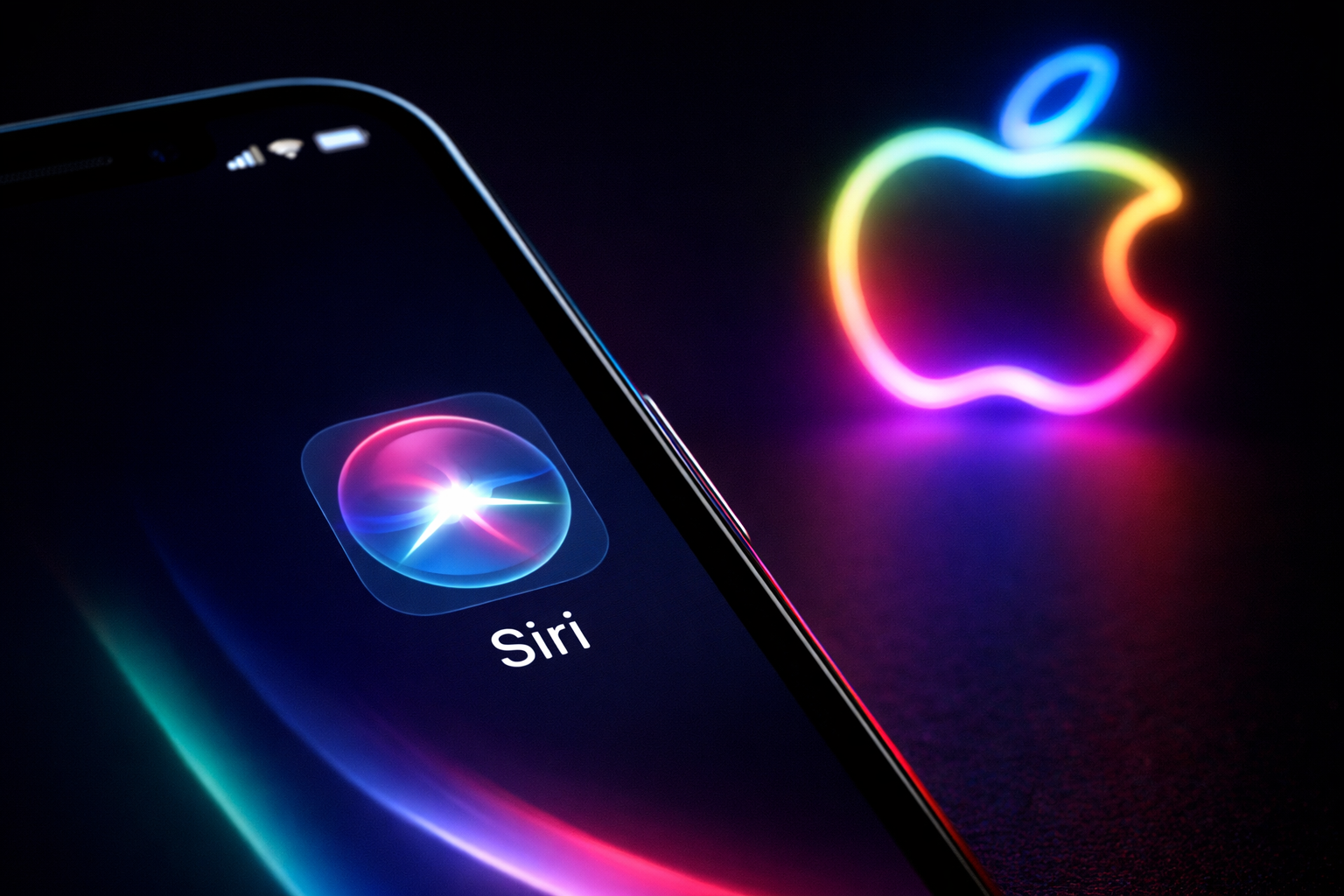
Artificial intelligence represents one of Apple’s biggest strategic challenges. While the company continues to dominate the U.S. smartphone market and generates more than $100 billion annually from its services division, it has yet to make a major impact in AI compared to competitors that are investing heavily in infrastructure and large-scale AI models. Apple has said it plans to release a major upgrade to its voice assistant Siri, but analysts say the company still needs a broader AI strategy that can drive future device upgrades and new product categories.
Much of Apple’s historical success came from breakthrough products such as the iPod, iPhone, and iPad, but the company is now in a period where iPhone upgrades are incremental rather than revolutionary. Analysts believe the next major opportunity could come from AI-powered hardware such as smart glasses, wearable devices, robotics, or spatial computing devices. Reports suggest Apple is working on several AI-based wearable devices, including smart glasses, a wearable pendant, and AirPods equipped with cameras and AI features, though analysts do not expect any single product to immediately replicate the impact of the iPhone.
Leadership succession is another key question facing the company. CEO Tim Cook, who took over from Steve Jobs in 2011, turned 65 recently but has said he is not planning to retire soon. However, industry observers believe Apple is preparing its next generation of leadership. John Ternus, who oversees hardware engineering for major Apple products, is widely seen as a potential successor, along with senior software executive Craig Federighi.
Apple is also dealing with growing geopolitical and supply chain challenges, particularly related to China. China remains one of Apple’s most important markets for both manufacturing and sales. In fiscal 2025, Apple generated $64.4 billion in revenue from Greater China, although revenue in the region has declined over the past two years due to increased competition from local companies such as Xiaomi and Huawei, as well as ongoing trade tensions between the United States and China. Apple has been shifting some production to India and Vietnam, but China remains central to its supply chain and consumer market.
Another major challenge is Apple’s position in artificial intelligence infrastructure. Unlike competitors such as Microsoft, Google, and Amazon, Apple does not operate a large cloud infrastructure business. Instead, the company has focused on integrating AI directly into devices. Earlier this year, Apple announced a partnership with Google to use AI models and cloud infrastructure to support future Apple Intelligence features, including improvements to Siri. Analysts say partnerships may be Apple’s fastest way to compete in AI without spending hundreds of billions of dollars on data centers.
At the same time, Apple’s services business has become increasingly important to profitability. Services such as the App Store, iCloud, Apple Music, Apple Pay, and advertising now generate a significant portion of the company’s profits. Apple has recently expanded its advertising business and introduced lower-cost devices such as the MacBook Neo to attract more users into its ecosystem, where the company can generate recurring revenue through services.
The central challenge for Apple is no longer just selling devices, but maintaining the strength of its ecosystem while finding the next major product category that can drive growth in the AI era. Analysts say Apple’s biggest advantage remains its installed base of more than 2.5 billion active devices worldwide. The question now is whether Apple can use that ecosystem to lead the next generation of computing, as it did with smartphones more than a decade ago.
As Apple enters its next 50 years, the company faces a technology industry that is changing faster than at any time since the launch of the iPhone. Its ability to adapt to artificial intelligence, manage global supply chains, expand services revenue, and develop new hardware categories will determine whether it remains one of the world’s most influential technology companies in the decades ahead.