Autonomous Ship Startup Saronic Raises $1.75 Billion Amid U.S. Military Modernization Push
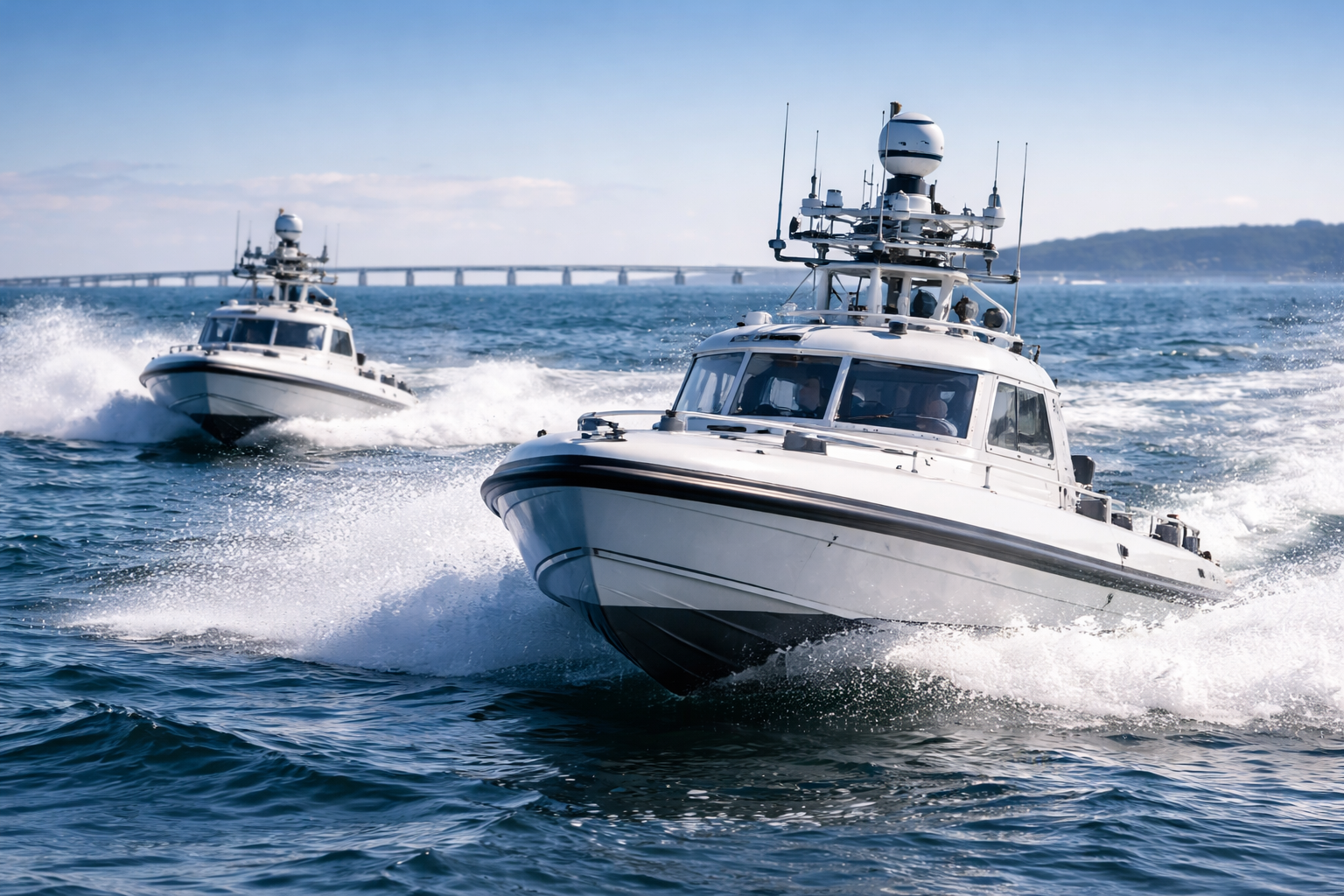
Autonomous ship startup Saronic has raised $1.75 billion in new funding as it scales production to meet growing demand from the U.S. military for unmanned naval systems and lower-cost defense technology.
The funding round, led by Kleiner Perkins, more than doubled Saronic’s valuation to $9.25 billion, up from $4 billion after a $600 million funding round last year. The company plans to use the new capital to expand its supply chain, scale shipyard production, and increase manufacturing capacity to more than 20 ships per year by 2027.
Saronic is also exploring the construction of a new shipyard, known as Port Alpha, potentially in Texas, although the company said the site selection process is still ongoing. CEO Dino Mavrookas said demand is rapidly shifting toward autonomous systems that can be produced at scale and at significantly lower cost than traditional military vessels.
The funding comes as the United States seeks to expand its shipbuilding capacity and modernize its naval capabilities amid rising geopolitical tensions and increasing competition with China’s large-scale shipbuilding industry. Recent conflicts and disruptions in strategic shipping routes such as the Strait of Hormuz have also highlighted the need for autonomous and lower-risk military systems.
Saronic builds autonomous surface vessels in multiple sizes, including a small six-foot-long vessel called Spyglass and a larger 40-metric-ton vessel known as Marauder. The company’s main shipyard in Franklin, Louisiana, is currently undergoing a $300 million expansion, and the company expects to significantly increase production over the next year.
The company has already secured defense contracts, including a $392 million contract with the U.S. Navy last year. Saronic is part of a broader wave of venture-backed defense technology startups competing with traditional defense contractors such as Lockheed Martin, RTX, and Northrop Grumman.
Other defense technology companies have also raised significant funding recently. Autonomous drone company Shield AI raised $2 billion at a $12.7 billion valuation, while companies such as Palantir and Anduril Industries have secured major government contracts in recent years.
The rise of companies like Saronic reflects a broader shift in military strategy toward autonomous systems, artificial intelligence, and lower-cost hardware that can be deployed at scale. Defense officials increasingly view autonomous ships, drones, and AI-powered surveillance systems as critical to future military operations, particularly in contested regions where traditional manned systems carry higher risk and cost.
As global military competition intensifies and governments increase defense spending on next-generation technologies, autonomous defense companies are becoming some of the fastest-growing players in the defense industry.