Baidu Robotaxis Stall in Wuhan, Triggering Traffic Collisions
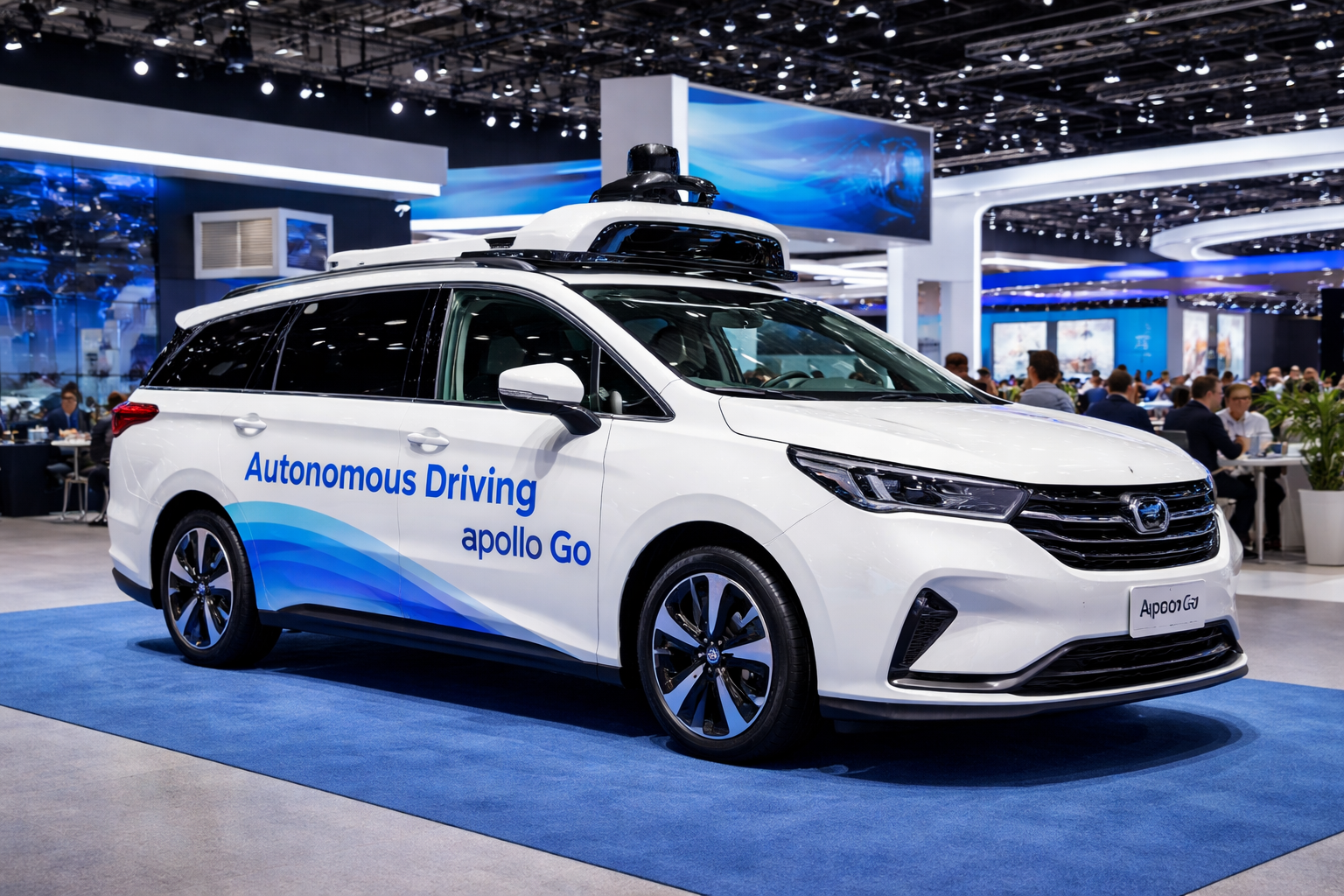
Baidu’s Apollo Go robotaxis reportedly stalled in the middle of traffic in Wuhan, China, on Tuesday, trapping passengers and causing multiple traffic collisions, according to videos shared on social media and a statement from local authorities.
The incident was confirmed by Wuhan traffic police in a statement posted on the official Weibo account of the department. Authorities said preliminary findings indicate that system malfunctions caused several Apollo Go vehicles to stop in the middle of the road, leading to traffic disruptions and highway crashes. Police said passengers were able to safely exit the vehicles and that the incident remains under investigation.
Wuhan is the largest deployment city for Baidu’s Apollo Go robotaxi service, where more than 1,000 fully driverless vehicles operate without human drivers. The company has been rapidly expanding its autonomous ride-hailing operations, positioning Apollo Go as one of the leading robotaxi services globally.
Alphabet’s Waymo in the United States is considered Apollo Go’s main international competitor, while Chinese autonomous driving companies such as WeRide and Pony.ai are also expanding robotaxi services across Asia and the Middle East. Tesla is developing autonomous driving technology but has not yet launched a large-scale commercial robotaxi service outside limited pilots.
Apollo Go already operates commercial driverless ride-hailing services in several Chinese cities, including Wuhan and parts of Beijing. According to Baidu’s fourth-quarter 2025 earnings update, Apollo Go delivered 3.4 million fully driverless rides during the quarter, with weekly rides exceeding 300,000 during peak periods.
The company has also expanded internationally. Apollo Go has launched autonomous ride-hailing services in Abu Dhabi and obtained a fully driverless testing permit in Dubai. The company has also partnered with ride-hailing platforms such as Uber and Lyft to pilot autonomous vehicles in London and other cities.
The Wuhan incident comes as autonomous vehicle technology continues to scale globally, bringing increased attention to safety, system reliability, and regulatory oversight. In the United States, a power outage in San Francisco in December caused Waymo robotaxis to stall across the city, highlighting how technical failures can disrupt autonomous fleets.
As robotaxi services expand, regulators and insurance providers are increasingly working on frameworks to handle liability and insurance coverage for driverless vehicles. Reports indicate that China’s insurance industry is currently developing new insurance products and rules specifically designed for autonomous vehicles, signaling that policymakers expect driverless transportation to become more widespread in the coming years.
The Wuhan incident is likely to increase scrutiny on autonomous vehicle safety systems, particularly in cities where fully driverless vehicles operate without human safety drivers.