Essential Energy Deploys AI to Enhance Safety Inspections Across Distribution Network
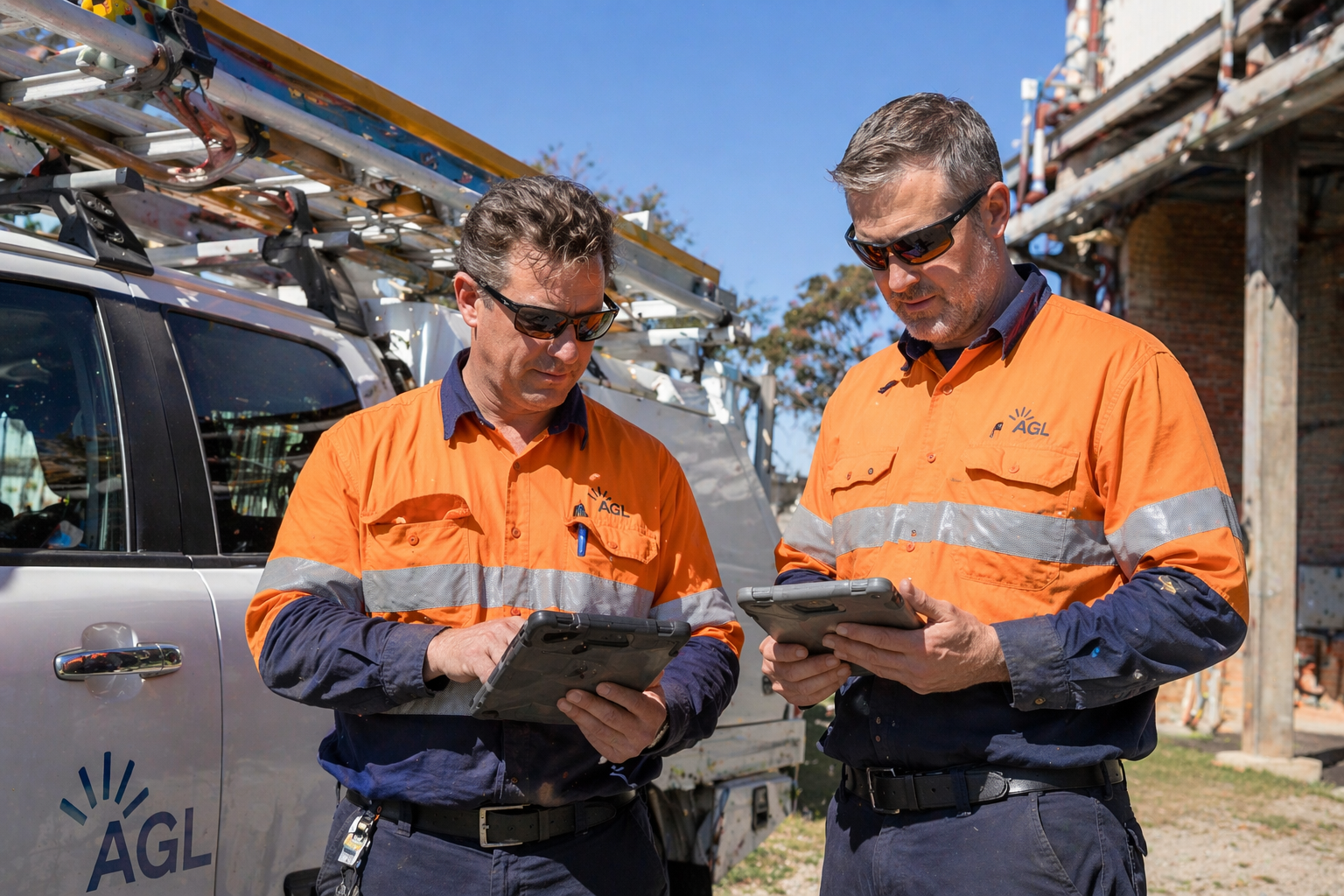
Essential Energy is turning to artificial intelligence to improve safety monitoring across its vast distribution network, aiming to identify risks earlier and with greater accuracy.
The utility, which services around 900,000 regional and remote premises across New South Wales and southern Queensland, is developing an AI-driven system that analyses field notes recorded by staff on iPads. Rather than relying solely on structured datasets, the system focuses on extracting insights from unstructured text—particularly the comments entered by field crews.
According to Andrew Slack-Smith, this shift was driven by the realization that the most valuable operational insights were often embedded in free-text observations. “The real insights were in the comments section,” he noted, highlighting the importance of capturing human context in safety analysis.
Early results suggest a significant improvement in detection capabilities. The AI model is expected to identify safety-related issues in approximately 76% of cases, compared to 59% using the company’s existing rules-based systems.
The platform is also designed for scalability, with the potential to integrate hundreds of additional data sources over time. This flexibility could enable broader applications across asset monitoring and operational intelligence.
Looking ahead, Essential Energy plans to enhance the system with voice-to-text capabilities, allowing field staff to verbally report observations. The AI would then interpret these inputs, enrich them using knowledge of infrastructure assets, and automatically generate structured summaries—streamlining reporting and improving data quality.
The initiative reflects a growing trend among utilities to leverage AI for infrastructure management. For example, Yarra Valley Water is exploring generative AI to predict failures in its water supply network, using sensor data and large language models to optimize maintenance and reduce costs.
As utilities increasingly adopt AI-driven analytics, the focus is shifting toward unlocking value from previously underutilized data sources—particularly unstructured inputs—while improving operational efficiency and safety outcomes.