HIMSS26: Why Health Systems Need To Focus on Details Before Adopting New Technology
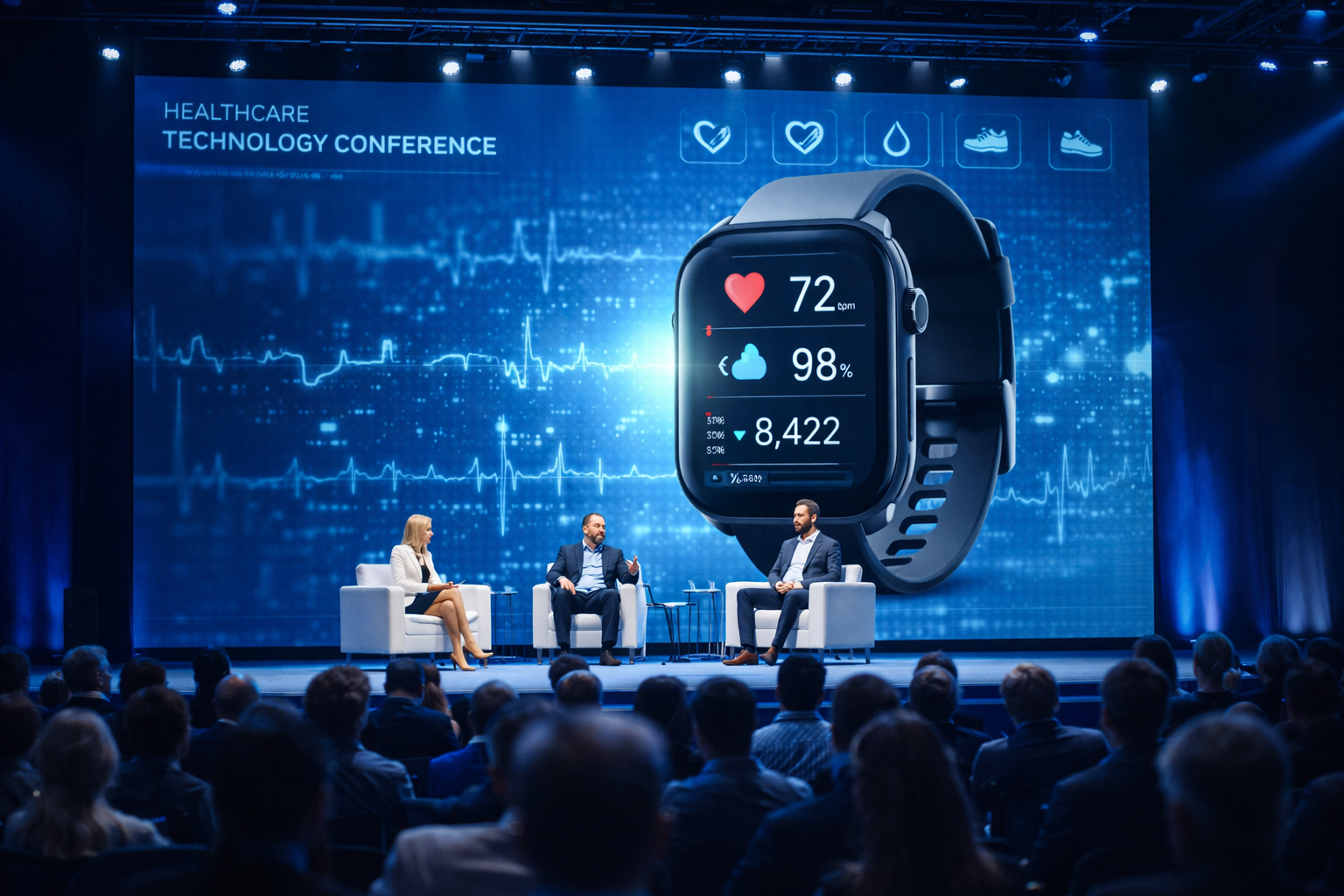
At the HIMSS Global Health Conference 2026, industry leaders emphasized an important message for healthcare organizations: technology should be adopted to solve real business and clinical problems, not simply because it is new or trending. Healthcare organizations today are facing multiple challenges, including rising operational costs, workforce shortages, cybersecurity threats and financial pressure. Because of these challenges, healthcare leaders must be careful and strategic when investing in new technologies.
During the keynote sessions, speakers highlighted that many organizations make the mistake of adopting technology first and then trying to find a problem it can solve. Instead, healthcare organizations should first identify their biggest operational or clinical problems and then look for technology solutions that address those specific issues. This approach helps organizations avoid unnecessary spending and ensures that technology investments actually improve patient care and hospital operations.
Dr. Sumbul Ahmad Desai from Apple explained that technology must be integrated into healthcare operations and clinical workflows, not treated as a separate tool. She emphasized that operations teams and clinical teams must be involved in technology decisions because they understand how healthcare systems function on a daily basis. If technology is not aligned with clinical workflows, it may create more problems instead of solving them.
Dr. Desai also discussed how wearable technology, such as smartwatches with health monitoring features, is becoming more clinically useful. For example, wearable devices can monitor heart rhythm and detect possible health issues such as irregular heartbeats. However, she explained that the goal of such technology is not just to collect data but to improve communication between patients and doctors. Technology should help doctors make better decisions and help patients better understand their health.
Another keynote speaker, Dr. John Halamka from Mayo Clinic Platform, spoke about the importance of building a strong foundation for future healthcare systems. He explained that healthcare organizations should focus on building flexible systems and infrastructure that can adapt to future technologies. Instead of focusing only on artificial intelligence or other trending technologies, organizations should focus on improving their overall healthcare delivery model.
He also explained that healthcare systems should move from episodic care, where patients visit hospitals only when they are sick, to continuous care, where patient health is monitored and managed continuously using digital tools and data systems. This approach can improve patient outcomes and reduce hospital visits.
Dr. Halamka also highlighted the importance of building flexible infrastructure. For example, healthcare facilities and data systems should be designed in a modular way so they can be easily expanded or modified in the future. This helps organizations adapt to new technologies and changing patient needs without completely rebuilding their systems.