Investors Push Big Tech on Water and Energy Use in Data Centres
Major technology companies including Amazon, Microsoft, and Alphabet are facing growing pressure from investors over the environmental impact of their expanding data centre operations.
The scrutiny comes at a time when several large-scale data centre projects in the United States have already been halted due to local community opposition. Now, shareholders are demanding greater transparency around how these companies manage water consumption and energy use as they scale infrastructure to support artificial intelligence and cloud computing.
Rising Investor Concerns
More than a dozen investors have begun raising questions ahead of upcoming shareholder meetings, seeking clearer disclosures on sustainability practices. A key concern is whether the rapid growth in data centre capacity is aligned with the companies’ climate commitments.
Boston-based investment firm Trillium Asset Management has been particularly vocal. It filed a shareholder resolution with Alphabet, asking the company to explain how it plans to meet its environmental goals amid rising energy demands.
Alphabet had pledged in 2020 to cut emissions by half and transition to carbon-free energy by 2030. However, emissions have instead increased significantly, leaving investors questioning the company’s roadmap.
Similarly, Green Century Capital Management is reportedly engaging with Nvidia, highlighting concerns that rapid AI growth could come at the expense of long-term environmental and financial sustainability.
Water Usage Under the Spotlight
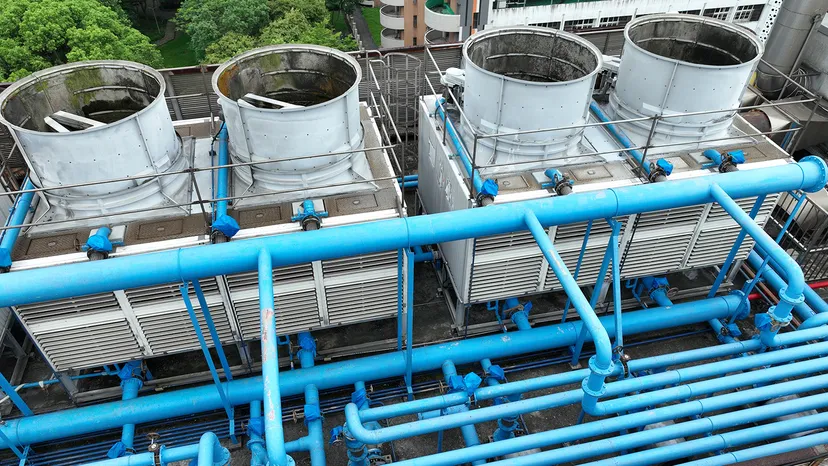
One of the biggest issues raised by investors is water consumption. Data centres rely heavily on water for cooling systems, and the scale of usage is substantial.
According to industry estimates, North American data centres consumed nearly one trillion litres of water in 2025—roughly equivalent to the annual water needs of a major city like New York.
While tech companies have begun adopting more efficient cooling methods, such as closed-loop systems, investors say disclosures remain inconsistent and incomplete.
For example, Meta reported water usage for facilities it owns, but not for leased or under-construction sites. Its total water consumption rose sharply in recent years. Google and Microsoft have also provided partial disclosures, while Amazon has focused on efficiency metrics rather than total usage figures.
Investors argue that without detailed, site-level data, it is difficult to assess the true environmental impact of these operations or the risks they pose to local communities.
Community Impact and Transparency
Beyond environmental metrics, there is growing concern about how data centres affect local resources. Communities have raised objections to new projects, citing fears over water shortages and increased strain on power infrastructure.
Analysts and investors say companies need to be more transparent about how their operations impact specific regions, particularly in areas where water and energy resources are already under pressure.
Industry representatives acknowledge that community engagement has become increasingly important. Providing clear information about resource usage and mitigation strategies is seen as essential to gaining public trust and avoiding further project delays.
Big Tech Responds
The companies involved have emphasized their commitment to sustainability, though responses have varied.
Amazon stated that it is increasing transparency around site-specific water usage and investing in efficiency improvements. Microsoft described sustainability as a core value and said it is actively working on long-term solutions. Google declined to comment, while Meta did not respond to inquiries.
A Growing Challenge for the AI Era
The issue highlights a broader challenge facing the tech industry. As demand for cloud computing and artificial intelligence continues to grow, so too does the need for data centre infrastructure. This expansion brings significant environmental implications, particularly in terms of energy consumption and water use.
For investors, the concern is not just environmental—it is also financial. Poor resource management could lead to regulatory risks, project delays, and reputational damage.
Looking Ahead
As shareholder pressure builds, tech companies are likely to face increasing demands for transparency and accountability. Detailed reporting, improved efficiency, and stronger community engagement will be critical in addressing these concerns.
The debate reflects a larger shift in how the industry is being evaluated. Growth and innovation are no longer enough on their own—companies must also demonstrate that they can scale responsibly in a resource-constrained world.