Microsoft Enhances Remote Desktop Security Warnings in April 2026 Patch Update
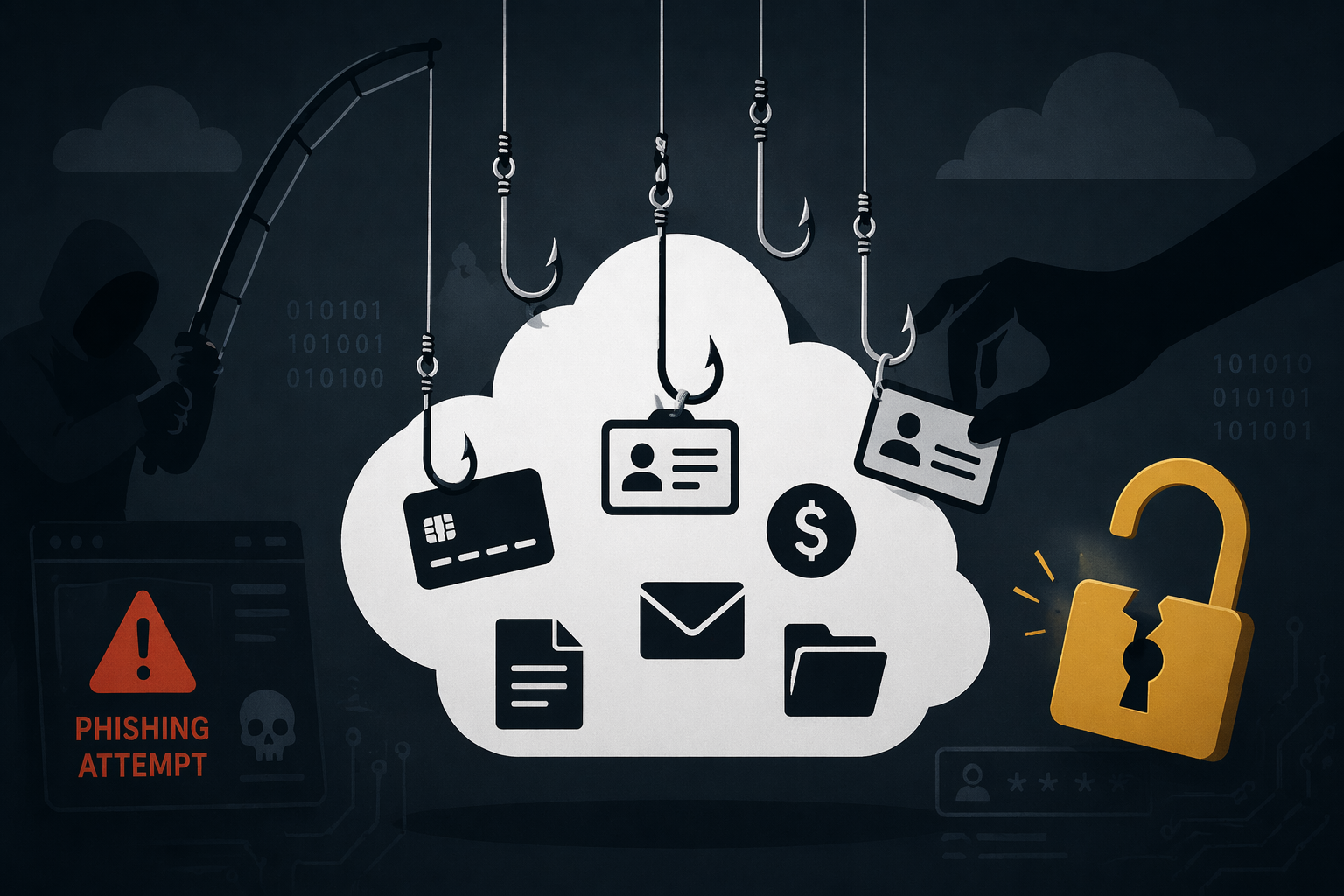
Microsoft has introduced more prominent phishing warnings for Remote Desktop Protocol (RDP) files as part of its April 2026 Patch Tuesday security updates, addressing a spoofing vulnerability that could expose users to cyberattacks.
Improved Visibility for RDP File Risks
The update ensures that Windows users now receive clearer, more noticeable alerts when opening .rdp files—closing a gap where previous warnings were considered insufficiently visible.
The vulnerability, identified by the National Cyber Security Centre, was rated 7.1 out of 10 in severity by Microsoft, with a high likelihood of exploitation.
Phishing Risks Linked to Remote Access
Microsoft has reiterated that RDP files can be exploited by attackers to gain access to sensitive system resources. When opened, these files may allow:
- Access to local drives and file systems
- Clipboard data sharing
- Camera and peripheral access
Such capabilities can be silently enabled, increasing the risk of unauthorized data exposure during phishing attacks.
Threat Actors Exploiting RDP
The company has linked RDP-based phishing activity to advanced threat actors, including Midnight Blizzard, a Russia-linked group known for targeting government, defense, and academic institutions through spear-phishing campaigns.
Additionally, Google Threat Intelligence Group has reported similar activity tied to a suspected espionage actor, tracked as UNC5387, which used RDP resource redirection to map victim systems to attacker-controlled environments.
Broader Security Updates
The April 2026 patch cycle also addressed two zero-day vulnerabilities, according to security firm Tenable.
One of these, CVE-2026-32201, affects SharePoint Server and has already been exploited in the wild, further underscoring the urgency of applying the latest updates.
Strengthening User Awareness
With the enhanced warnings and updated guidance, Microsoft aims to improve user awareness of the risks associated with remote access tools—particularly as phishing tactics continue to evolve.
The update highlights the importance of combining technical safeguards with user education to mitigate security threats in enterprise and personal computing environments.