NVIDIA CEO Jensen Huang Says “I Think We’ve Achieved AGI,” But His Definition Comes With A Catch
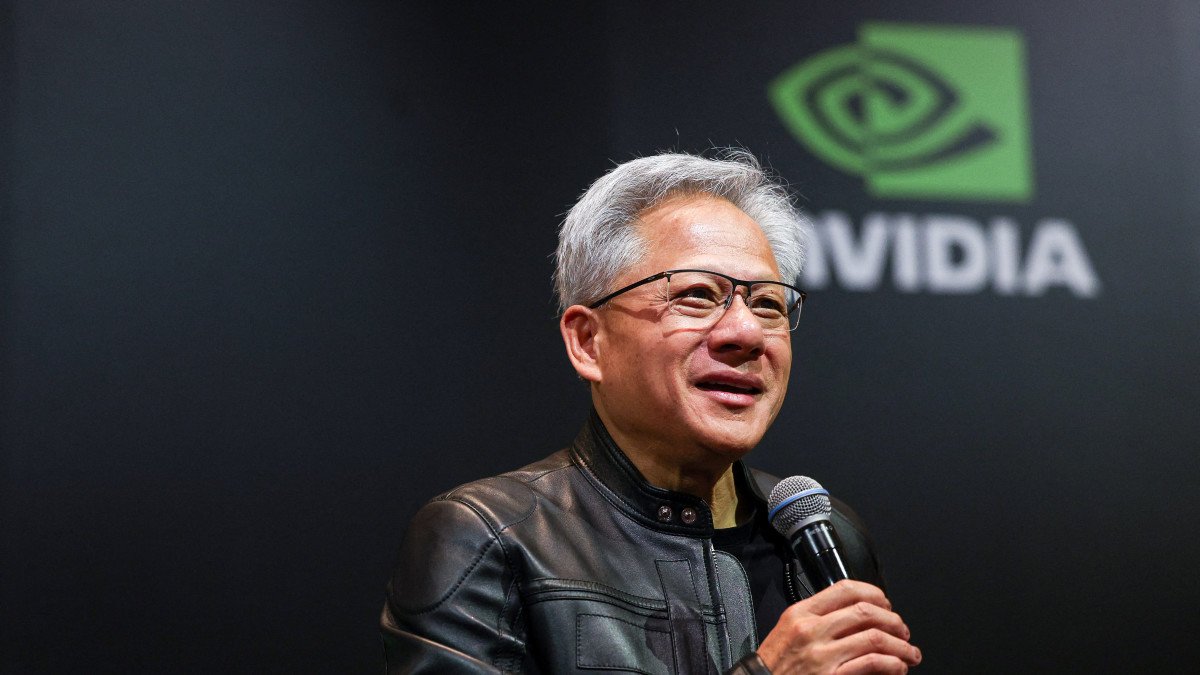
Jensen Huang has sparked new debate in the artificial intelligence industry after stating, “I think we’ve achieved AGI,” during a conversation on the Lex Fridman podcast. However, his statement was based on a very specific definition of artificial general intelligence (AGI), and he later clarified the limits of current AI capabilities.
What Huang Meant by AGI
During the podcast, AGI was described as an AI system capable of starting, growing, and running a billion-dollar technology company. Huang responded that, under this definition, he believes AGI has already been achieved.
However, he clarified that this does not mean AI can build and run a large, complex company like Nvidia. Instead, he suggested that AI systems could potentially create a simple digital product, such as a web service or app, that goes viral, generates revenue quickly, becomes a billion-dollar business, and then fades away.
He emphasized this limitation by stating that the chances of thousands of AI agents building a company like Nvidia are “zero percent,” highlighting that AI still cannot manage large-scale, long-term corporate operations.
Why This Statement Matters
Huang’s comments are significant because Nvidia is heavily investing in agentic AI, which refers to AI systems that can operate autonomously and perform tasks with minimal human intervention. The company believes agentic AI will become a major new computing category.
Nvidia recently reported $215.9 billion in fiscal 2026 revenue, a 65% year-over-year increase, showing how rapidly the AI market is growing. Huang has also stated that demand for AI computing infrastructure is increasing rapidly as more companies adopt AI agents and automation technologies.
A Shift in Huang’s Earlier Predictions
Huang’s latest statement represents a shift from his earlier predictions. In 2024, he suggested that AI might reach AGI-level capabilities within five years, depending on how AGI was defined. Now, he believes that under a business-focused definition, some form of AGI already exists today.