Nvidia’s SchedMD Deal Raises Concerns Over Fair Access to Critical AI Software
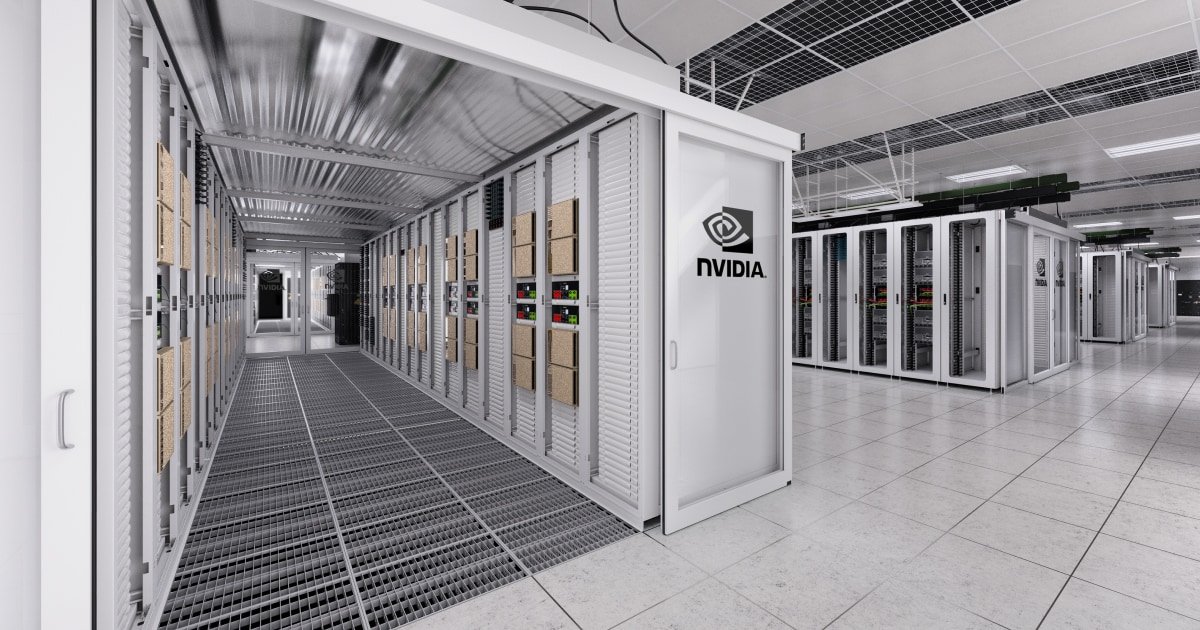
The acquisition of a relatively small software company by Nvidia is drawing outsized attention across the artificial intelligence and supercomputing communities.
Last December, Nvidia announced it would acquire SchedMD, the developer behind Slurm—an open-source workload management system widely used to schedule computing tasks on high-performance systems. While the deal may appear niche at first glance, its implications could be significant for the future of AI infrastructure.
Why Slurm Matters
Slurm is not just another piece of software. It plays a central role in managing computing workloads across some of the world’s most powerful supercomputers and AI data centres. By coordinating how tasks are distributed across thousands of processors, it enables efficient training of large language models and other advanced AI systems.
According to SchedMD, Slurm is used in roughly 60% of supercomputers globally. It is also deployed by major AI players such as Meta, Anthropic, and Mistral for specific workloads.
Given its widespread adoption, control over Slurm effectively gives Nvidia influence over a key layer of the global AI and high-performance computing ecosystem.
Concerns Over Competitive Fairness
Some engineers and industry experts are uneasy about what this could mean for competition. Their concern is not that Slurm will disappear—it is open-source—but that Nvidia could gradually shape its development in ways that favour its own hardware.
For example, critics worry that updates or optimisations could be released first—or perform better—on Nvidia’s GPUs and networking technologies, potentially putting competitors such as Advanced Micro Devices and Intel at a disadvantage.
This concern is rooted in how critical software ecosystems can subtly influence hardware competition. Even small performance advantages or delays in support for rival chips could have significant downstream effects in a fast-moving AI market.
A Test of Nvidia’s Intentions
Industry observers see the acquisition as a test of Nvidia’s commitment to maintaining an open and neutral software ecosystem.
In response to the concerns, Nvidia has emphasized that Slurm will remain open-source and vendor-neutral. The company said it intends to continue enhancing the software for all users, regardless of hardware platform.
At the same time, some experts believe Nvidia’s involvement could bring benefits. With its vast resources, the company could accelerate development and modernize Slurm, which was originally built for traditional supercomputing environments and is now being adapted for cutting-edge AI workloads.
Lessons from the Past
Skepticism among some industry players is partly shaped by Nvidia’s previous acquisitions. When the company acquired Bright Computing in 2022, its software—while still compatible with multiple platforms—became more optimized for Nvidia hardware, according to some users.
Although Nvidia disputes these claims, the experience has made some developers cautious about how Slurm might evolve under its ownership.
Watching Closely
Not all reactions have been negative. Some users of Slurm say it is too early to draw conclusions and are taking a wait-and-see approach. However, many agree that how Nvidia handles future updates—especially support for competing chips—will be closely scrutinized.
One key indicator will be how quickly Slurm integrates support for upcoming hardware from rival companies compared to Nvidia’s own technologies.
A Strategic Move in the AI Race
The acquisition comes at a time when Nvidia is already the dominant force in AI hardware, powering a large share of the world’s data centres and machine learning workloads.
By adding control over a critical piece of open-source infrastructure, Nvidia is extending its influence beyond hardware into the software layer that orchestrates AI computing.
Balancing Innovation and Openness
Ultimately, the success of this move will depend on how Nvidia balances innovation with openness. If it can accelerate development while maintaining fair access for all hardware vendors, the acquisition could benefit the broader ecosystem.
However, if the software begins to tilt toward Nvidia’s own technologies, it could raise deeper concerns about competition in an industry that is already highly concentrated.