Trump Administration Moves to Expand Crackdown on Chinese Tech Equipment
Washington, April 3 — The U.S. government is moving to expand restrictions on Chinese-made telecommunications and surveillance equipment, in what could become one of the toughest measures yet against Chinese technology firms on national security grounds.
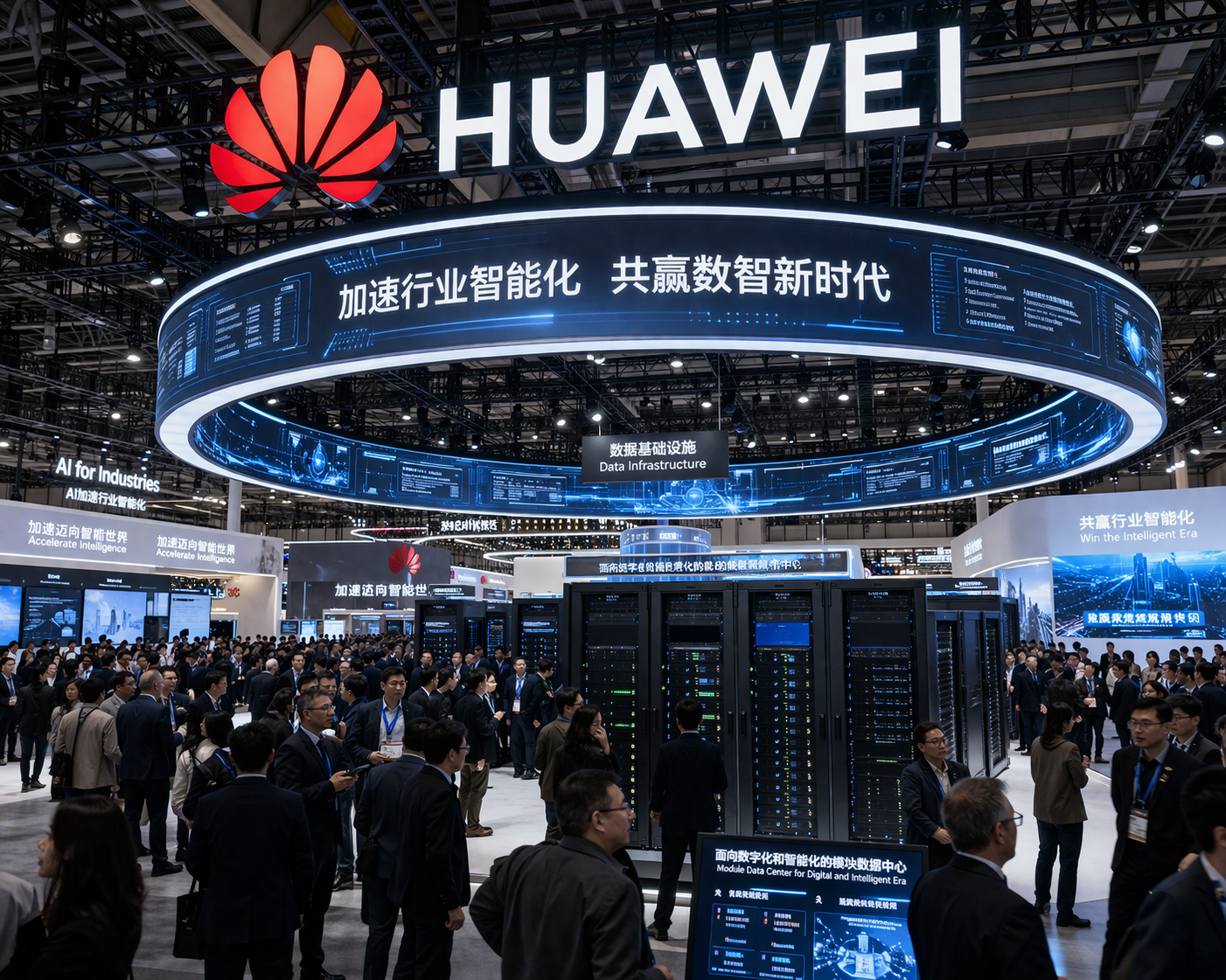
The Federal Communications Commission (FCC) has proposed banning the import of previously approved equipment from several Chinese companies that were already placed on its national security “Covered List.” These companies include Huawei, ZTE, Hytera, Hikvision, and Dahua.
The FCC had already blocked approval of new models from these companies in 2022. The new proposal would go further by banning the import and sale of older equipment models that were previously approved and still being sold in the United States.
The regulator said the move is necessary to protect U.S. communications infrastructure and reduce national security risks linked to foreign-made telecom and surveillance equipment. However, the FCC clarified that Americans would still be allowed to use equipment they had already purchased.
Officials said the ban could be implemented quickly once finalized, partly to prevent companies from rushing to import devices before the rules take effect.
The proposal is part of a broader U.S. effort to restrict Chinese technology in critical infrastructure. In recent months, U.S. authorities have also banned imports of new Chinese drones and consumer internet routers. Regulators have also taken steps to block devices that use components from companies on the Covered List.
Some Chinese companies have challenged these decisions in court. Hikvision, for example, filed a lawsuit arguing that the FCC exceeded its authority and unfairly targeted previously approved products. However, a U.S. appeals court rejected the company’s attempt to overturn earlier restrictions.
The ongoing crackdown reflects rising technology tensions between the United States and China, particularly in areas such as telecommunications, surveillance systems, semiconductors, and artificial intelligence. Governments increasingly view technology supply chains as a national security issue, not just a trade issue, leading to stricter controls on foreign technology equipment.