U.S. Lawmakers Propose New Export Restrictions on Chipmaking Equipment to China
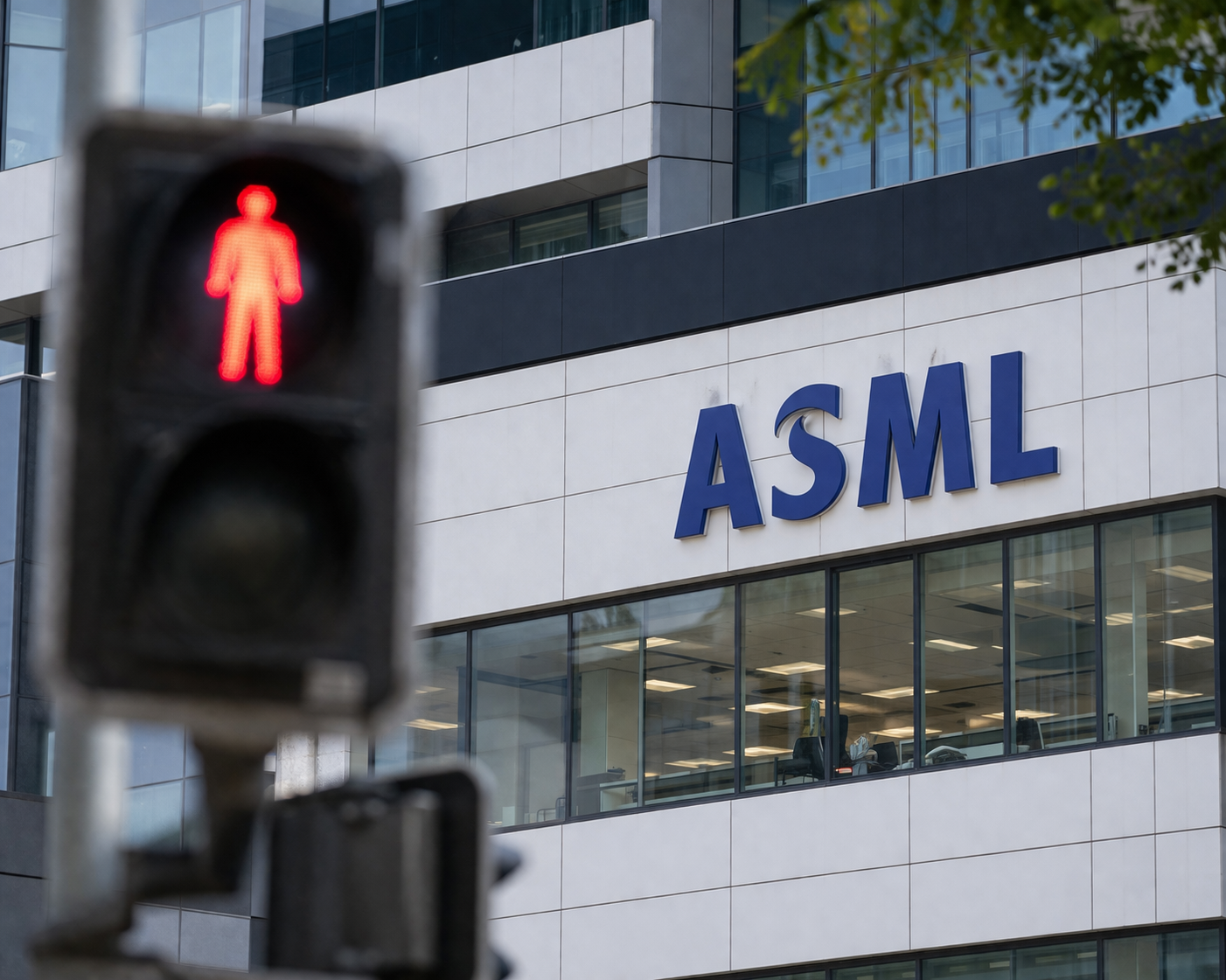
Amsterdam, April 3 — U.S. lawmakers have proposed new legislation that could further restrict the export of semiconductor manufacturing equipment to China, in an effort to protect the United States’ technological lead in artificial intelligence and advanced chips.
The proposed law, known as the MATCH Act, is aimed at limiting China’s access to critical chipmaking tools that it cannot produce domestically. The restrictions could impact major semiconductor equipment manufacturers such as ASML and Nikon, which supply lithography machines used in chip production.
The legislation would also restrict the sale and servicing of such equipment to leading Chinese chipmakers, including SMIC, Hua Hong, Huawei, CXMT, and YMTC.
The focus of the proposed restrictions is on advanced chipmaking technologies such as immersion DUV lithography, which is used to manufacture semiconductor circuits. Currently, the Dutch company ASML dominates this market, with Nikon as a smaller competitor.
The U.S. has already imposed multiple rounds of export restrictions on semiconductor technology to China in recent years. However, those restrictions were introduced by presidential administrations. The new proposal comes directly from U.S. lawmakers and aims to ensure that companies from U.S.-allied countries follow the same export restrictions as American firms.
Existing rules already prevent ASML from exporting its most advanced chipmaking machines to China. However, the company still sells older lithography systems to Chinese firms and to foreign companies operating in China. The new law would also block these sales.
China has been a major market for ASML, accounting for about 33% of its sales in 2025, although that share is expected to fall to around 20% this year due to increasing restrictions.
The proposal highlights the growing global technology rivalry between the United States and China, particularly in semiconductors and artificial intelligence, where chip manufacturing technology has become a key strategic and economic battleground.