xAI Sues Colorado Over New AI Regulation Law
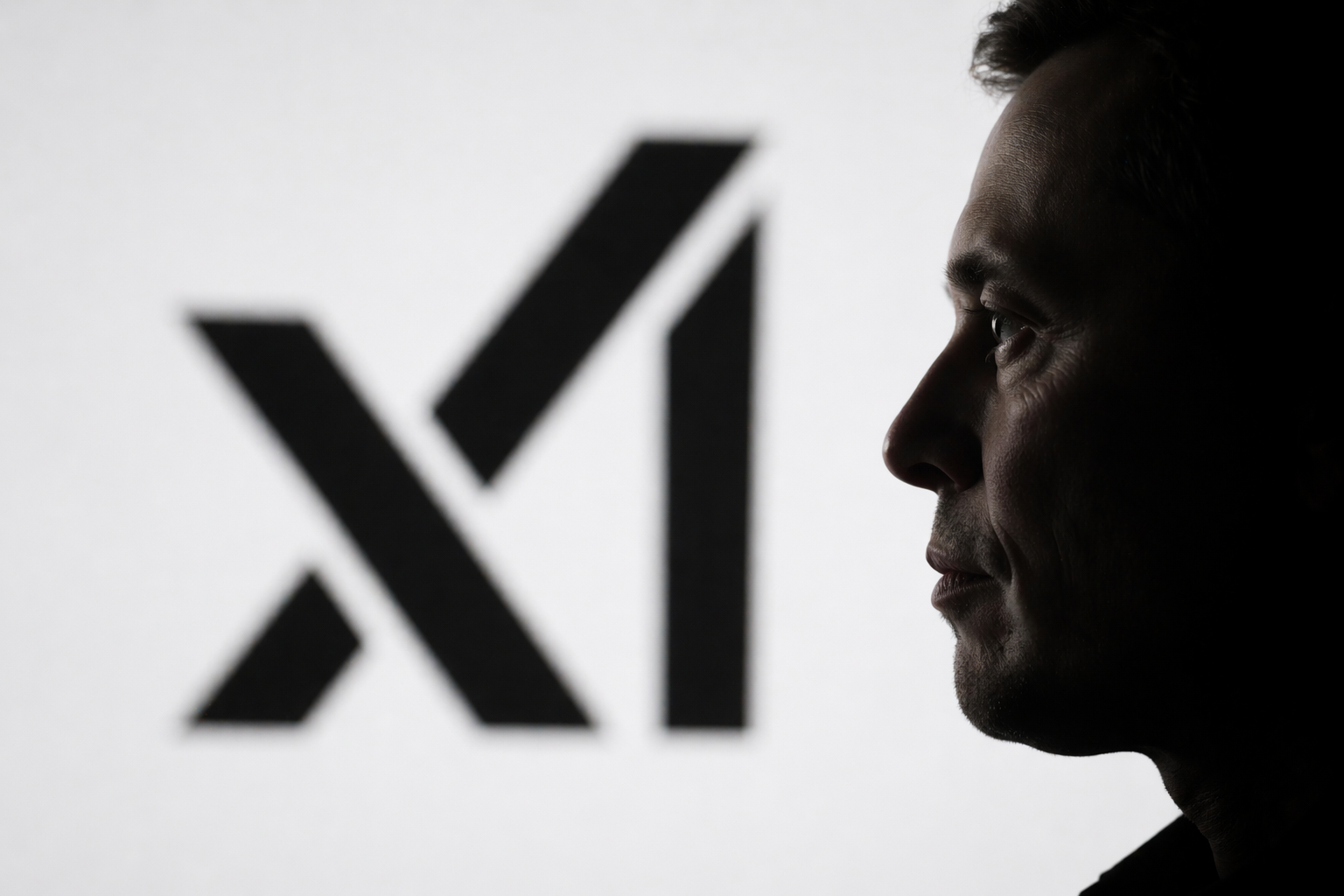
SAN FRANCISCO — xAI has filed a lawsuit seeking to block enforcement of a new Colorado law regulating artificial intelligence, intensifying a broader debate over whether AI oversight should be governed at the state or federal level.
The lawsuit, filed in U.S. District Court in Colorado, challenges Senate Bill 24-205, which is set to take effect on June 30. The legislation introduces disclosure and risk-mitigation requirements for developers of “high-risk” AI systems used in areas such as employment, housing, education, healthcare and financial services.
xAI argues that the law violates the First Amendment by restricting how developers design AI systems and compelling speech on politically sensitive issues. The company claims the regulation would require it to modify its Grok AI model in ways that reflect state-defined perspectives on diversity and discrimination, rather than maintaining neutrality.
In its filing, xAI also warned that a patchwork of state-level regulations could hinder innovation and reduce competitiveness in the U.S. technology sector. The company is seeking a court ruling declaring the law unconstitutional, along with an injunction to prevent its enforcement.
The case comes amid growing tension between state governments and federal authorities over how to regulate rapidly advancing AI technologies. The lawsuit references concerns raised by the White House about fragmented state regulations potentially undermining national security and U.S. leadership in artificial intelligence.
The Colorado Attorney General’s Office declined to comment on the litigation.
The dispute reflects a wider divide among policymakers. Some technology companies and lawmakers support a unified federal framework for AI oversight, while others argue that states should act independently in the absence of comprehensive national legislation. Critics of relying solely on federal action have pointed to delays in passing technology and data privacy laws in Congress.
The outcome of the case could have significant implications for how AI is regulated across the United States, particularly as more states consider their own rules governing high-risk AI systems.