Samsung Electronics Set for Record Quarterly Profit on AI Chip Boom
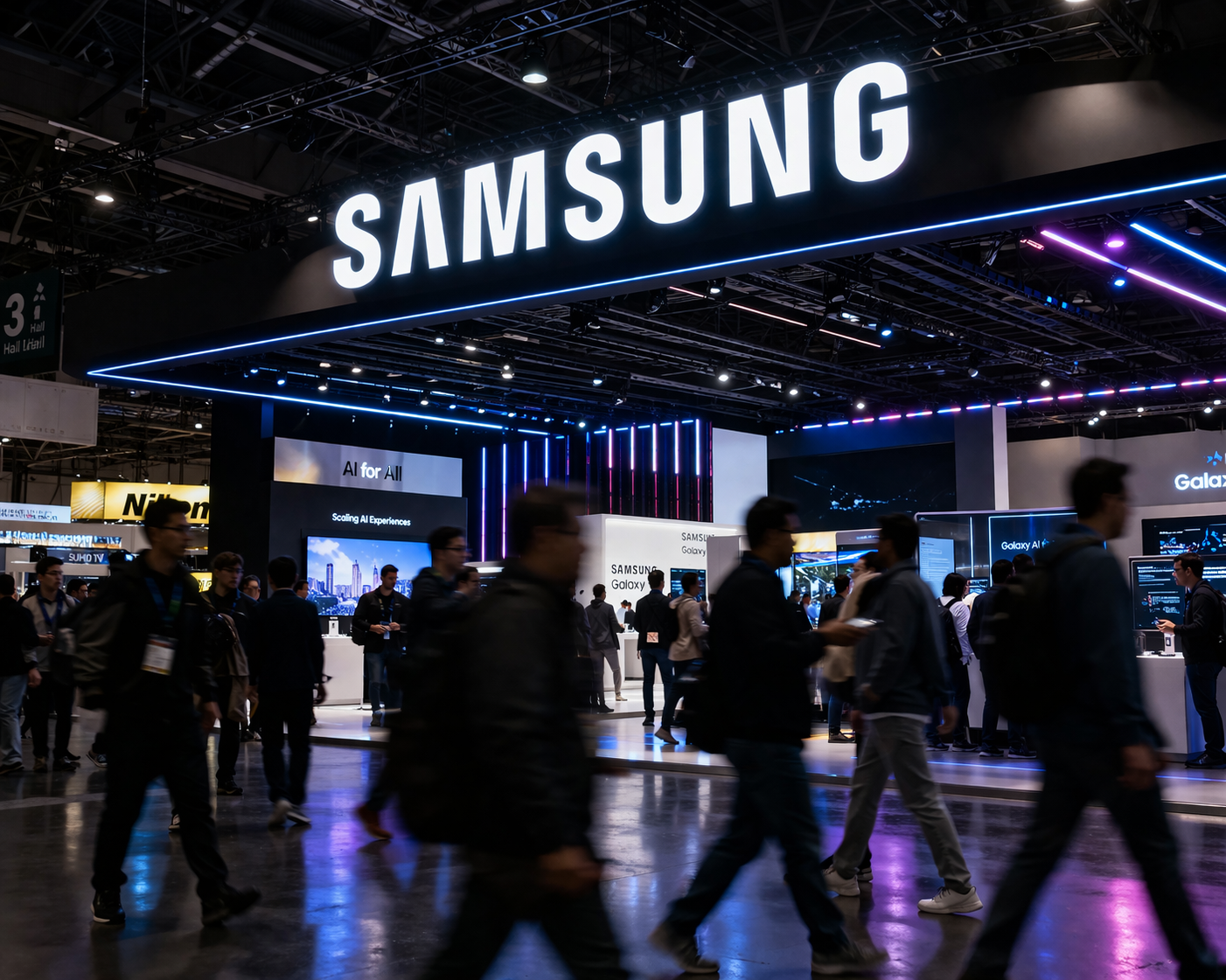
Seoul, April 3 — Samsung Electronics is expected to report a massive surge in quarterly profit, driven by soaring memory chip prices fueled by the global artificial intelligence boom.
Analysts forecast that Samsung’s operating profit for the January–March quarter could rise nearly six times compared to last year, reaching about 40.5 trillion won ($26.9 billion). The figure would mark a record quarterly profit and come close to the company’s total operating profit for the entire previous year.
The sharp increase is largely due to what Samsung has described as an “unprecedented supercycle” in memory chips, as global technology companies invest heavily in AI data centers and infrastructure. Some analysts are even more optimistic, with forecasts suggesting profits could reach as high as 51 trillion won.
However, despite the strong earnings outlook, investors are watching global geopolitical risks closely, particularly the ongoing conflict in the Middle East. Rising energy costs and potential disruptions to raw material supplies could impact semiconductor production and slow down investment in AI infrastructure.
There are also early signs that memory chip spot prices, particularly for DRAM chips, have started to cool slightly in recent weeks. Higher prices for smartphones, computers, and other electronics have begun to affect consumer demand. In addition, new memory-saving technology such as TurboQuant from Google has raised concerns among investors about future memory demand.
These factors have contributed to volatility in memory chip stocks, with Samsung shares falling about 14% since late February, although the stock is still up roughly 50% overall this year due to strong AI-related demand.
Market researchers say memory chip contract prices are still expected to rise significantly in the coming months, with DRAM prices having already doubled in the first quarter and forecast to increase further in the April–June period.
To reduce uncertainty, Samsung said it is working with major customers to sign long-term supply contracts lasting three to five years. The strategy is aimed at protecting both Samsung and its clients from sudden changes in demand and pricing in the highly cyclical semiconductor market.
The results highlight how the global AI boom is reshaping the semiconductor industry, driving record profits for chipmakers while also creating new risks linked to geopolitics, energy costs, and rapid technological change.